
This page last revised 15 NOV 2016 -- S.M.Gon III
Introduction
Ecoregion
Conservation Targets
Viability
Goals
Portfolio
TNC Action Sites
Threats
Strategies
Acknowledgements
▫
Tables
Maps & Figures
CPT Database
Appendices
Glossary
Sources
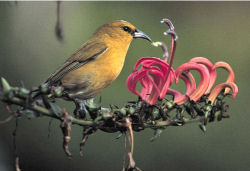
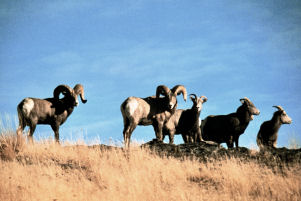
Alien species, such as feral ungulates, are a prevailing threat to native ecological systemsin Hawai‘i.
Acknowledgements
Conductingan assessment of the Hawaiian Ecoregion took years of work. Thankfully,the many federal, state, and private entities that have engaged inconservation in the Hawaiian Islands over the decades represent a hugebody of research, data, and strategic thinking, all of great value toThe Nature Conservancy's ecoregional planning efforts.
The ERA II Team wouldlike to thank many individuals and agencies that provided data,discussion, and feedback on this plan, directly and indirectly, fromour initial work in 1996-98 to our current 2004-2006 iteration. Whilewe takefull responsibility for the conclusions and limitations of thisassessment, we acknowledge with great appreciation the supportand shared goal of protection of our irreplacable naturallegacy.

Mahalo a nui iā ‘oukou a pau
[Great thanks to all of you!]
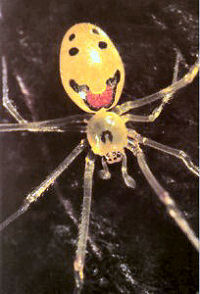
Theridion grallator Simon
Hawaiian happyface spider
an endemic invertebrate
Photo Acknowledgements
Bryan Harry, Guy Hughes, Larry Katahira, Melia Lane-Kamahele, Rhonda Loh, Sandy Margriter, Don Reeser, Chuck Stone, Tim Tunnison
US Fish & Wildlife Service
Donna Ball, Marie Bruegmann, Jeff Burgett, Jack Jeffrey, Rod Lowe, Stephen Miller, Christa Russell, Robert Smith
US Geological Service/Biological Resources Discipline
Kevin Brinck, Marcos Gorreson, Jim Jacobi, Lloyd Loope, Art Medeiros, Linda Pratt, Thane Pratt, Jon Price, Forest & Kim Starr, Bill Steiner, Phillip Thomas
US Army
Kapua Kawelo, Lena Schell, Mike Walker, Krista Winger
University of Hawai‘i
Gerald Carr, Sheila Conant, Charles Lamoureux, Mike Kido, Dieter Mueller-Dombois, Lani Stemmermann
Hawai‘i State Department of Land & Natural Resources
Nick Agorastos, Yoshiko Akashi, Michael Buck, Ron Cannarella, Ian Cole, Scott Fretz, Lisa Hadway, Bob Hobdy, Randy Kennedy, Christian Mitchell, Christine Ogura, Byron Stevens
Bishop Museum
Allen Allison, Lu Eldredge, Neal Evenhuis, Clyde Imada
National Tropical Botanical Gardens
Dave Bender, Steve Perlman, Ken Wood
Hawai‘i Biodiversity and Mapping Program
(formerly Hawai‘i Natural Heritage Program)
Dan Dorfman, Luciana Honigman, Roy Kam, Joel Lau, Megan Laut, Dwight Matsuwaki, Dan Orodenker, Selima Siddiqui
The Nature Conservancy
Sam Aruch, Suzanne Case, Melissa Chimera, Jordan D'Olier, Kerri Fay, Jon Giffin, Denny Grossman, Jonathan Higgins, Alan Holt, Russel Kallstrom, Ed Misaki, Laura Nelson, Audrey Newman, RobShallenberger, Trae Menard, Wayne Ostlie, Dan Sailer, Marigold Zoll
Kamehameha Schools
Kalani Fronda, Peter Simmons, Namaka Whitehead
Watershed Partnerships
Chris Brosius, Greg Hansen, Jordan Jokiel, Alex Michailidis, Jill Miller, Tanya Ruberstein, Darrell Stokes, Jason Sumiye
Thenative ecological systems of the high islands of Hawaii are a biological legacyof immense value to the world.
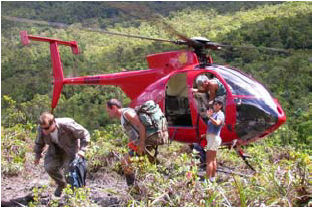
Bringing active management to priority ecological systems isthe primary goal.
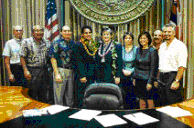 The conservation mission is impossible without the cooperative efforts of many partners.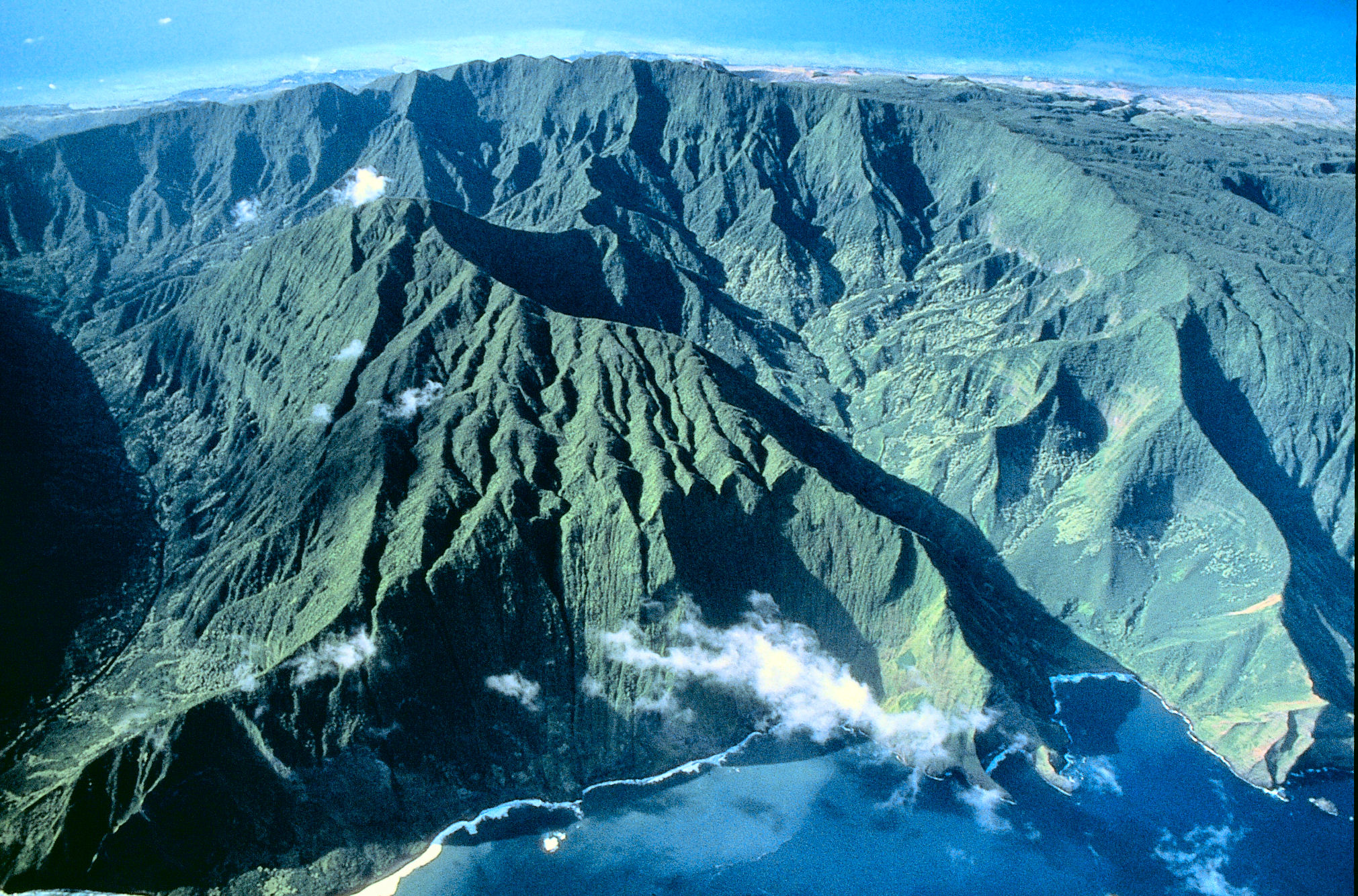

And as my good friend Rico would say:
Maraming Salamat Po! Thank you very much, Rico!